

YellowBee Packaging and Supplies Inc
Coconut Soy Wax for Candle Making
Coconut Soy Wax for Candle Making
Couldn't load pickup availability
Description
Description
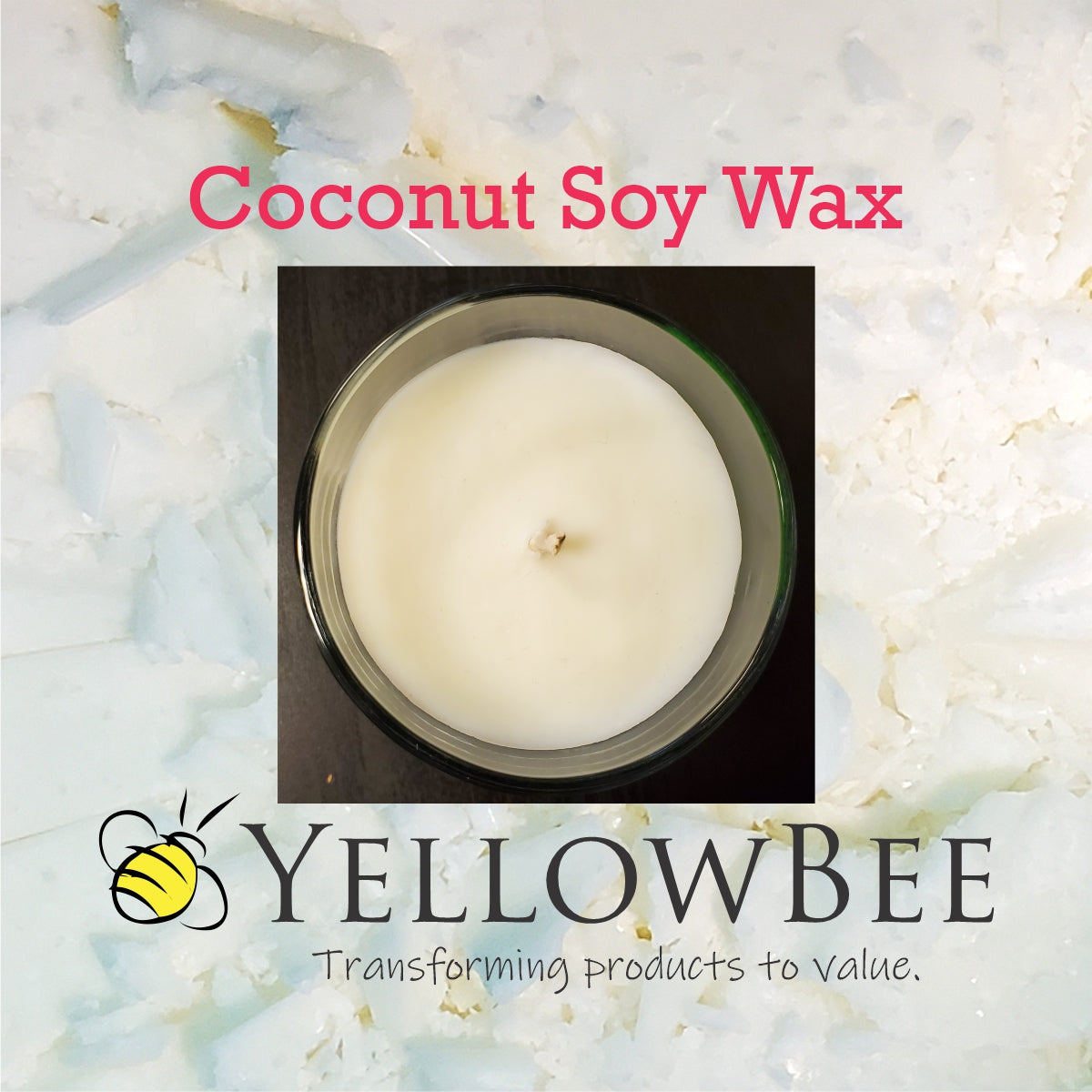
Our Coconut Soy Wax is a versatile, plant-based candle wax made from 100% non-GMO vegetable wax. This coconut soy wax blend offers an easy-to-use option for making container candles, scented candles, tealights, votive candles and wax melts.
With a fragrance load of up to 10%, Coconut Soy Wax is an excellent choice for candle makers looking for a vegetable-based wax for a variety of candle-making applications. It is also compatible with beeswax, palm wax, coconut wax and other candle waxes, allowing you to create customized wax blends for different candle projects.
Why You'll Love It
- 100% vegetable-based wax
- Non-GMO
- Coconut and soy wax blend
- Ideal for container and glass candles
- Suitable for scented candles, tealights and wax melts
- Up to 10% fragrance load*
- Can be blended with other candle waxes
- Not tested on animals
Recommended Applications
Container & Glass Candles: Ideal for making scented candles poured into candle jars and glass containers.
Wax Melts: Suitable for creating scented wax melts and tarts.
Tealights & Votive Candles: A versatile choice for smaller candle formats.
Pillar Candles: For pillar candle applications, adding approximately 10–15% beeswax, paraffin wax or another harder wax is recommended to increase firmness.
Technical Information
Wax Type: Coconut Soy Vegetable Wax Blend
Appearance: Blocks
Melting Point: 43–47°C / 110–117°F
Suggested Pouring Temperature: 56–64°C / 133–147°F
Suggested Fragrance Adding Temperature: 68–75°C / 154–167°F
Maximum Fragrance Load: Up to 10%*
Maximum Heating Temperature: 85°C / 185°F
Free Fatty Acid: 0.13% max
Iodine Value: 40–50
CAS No.: 8017-70-4; 84836-98-6
GMO: Non-GMO
Animal Testing: Not tested on animals
*Fragrance performance can vary depending on the fragrance oil, wick, container and candle formulation. Testing is recommended for each fragrance and candle combination.
Working With Coconut Soy Wax
For best results, heat the wax gradually and avoid exceeding the recommended maximum temperature of 85°C / 185°F. Add your fragrance oil within the recommended temperature range and mix thoroughly before pouring.
The ideal pouring temperature may vary depending on the fragrance oil, candle container, wick, room temperature and desired finished appearance. Testing your wax, fragrance oil, wick and candle container combination is recommended before producing larger batches.
Frequently Asked Questions
Is Coconut Soy Wax suitable for container candles?
Yes. Coconut Soy Wax is well suited for container and glass candle applications.
How much fragrance oil can I add to Coconut Soy Wax?
The maximum recommended fragrance load is up to 10%. Actual performance will vary depending on the fragrance oil and candle formulation, so testing is recommended.
What temperature should I add fragrance oil to Coconut Soy Wax?
The suggested fragrance-adding temperature is approximately 68–75°C / 154–167°F.
What temperature should I pour Coconut Soy Wax?
The suggested pouring temperature is approximately 56–64°C / 133–147°F. You may need to adjust the temperature depending on your fragrance, container and working environment.
Can Coconut Soy Wax be used for wax melts?
Yes. This wax can be used for scented wax melts as well as container candles, tealights and votive candles.
Can Coconut Soy Wax be used for pillar candles?
For pillar candles, we recommend adding approximately 10–15% beeswax, paraffin wax or another harder wax to increase firmness.
Can I blend Coconut Soy Wax with other candle waxes?
Yes. It can be blended with beeswax, palm wax, coconut wax and other compatible candle waxes to customize the properties of your candle formulation.
Storage & Shipping
Store the wax in a cool, dry location away from direct heat and sunlight.
Pair our Coconut Soy Wax with your choice of fragrance oils, candle jars and candle wicks to create your own custom scented candles.
Please Note: During warmer months, Coconut Soy Wax may soften or partially melt during transportation. This does not affect the performance or characteristics of the wax, although the original shape of the wax may change.
Share